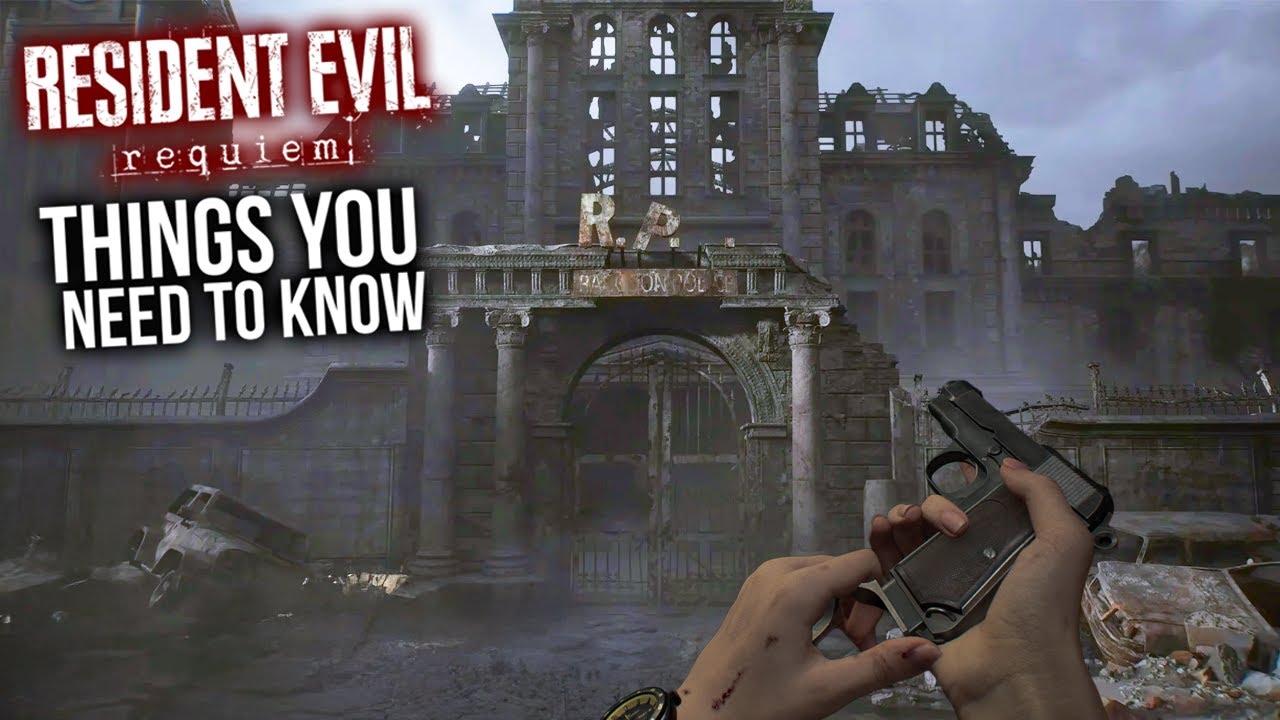
Resident Evil Requiem: The Survival Horror Evolution Gamers Have Been Waiting For
You’re three bullets away from empty. The hallway ahead is dark. Something is breathing just beyond your flashlight’s reach.
This is where Resident Evil has always lived—in that suffocating space between fight and flight. But Requiem isn’t just recreating that tension. It’s rebuilding it from the ground up with mechanics that make veteran players rethink everything they know about survival horror.
If you’ve been following the franchise since the Spencer Mansion days or you’re just discovering why millions of gamers lose sleep over pixelated nightmares, what’s happening with Requiem deserves your attention.
Here’s what the developers are actually changing, why it matters, and what it means for your next gaming session.
Why Resident Evil Still Owns the Horror Genre
Twenty-seven years after the first game, Resident Evil remains the benchmark every horror title gets measured against.
The reason is simple: it understands that fear isn’t about jump scares. Real horror comes from resource management, impossible choices, and the creeping realization that you’re not equipped for what’s ahead.
You don’t feel powerful in Resident Evil. You feel vulnerable. Every bullet matters. Every healing item is a strategic decision. That formula hasn’t aged—it’s just been refined over decades.
Requiem takes that foundation and asks a harder question: what scares gamers who’ve already survived Raccoon City, the village, and everything in between?
Chainsaw Mechanics That Actually Change Combat
The chainsaw in previous Resident Evil games was straightforward: find fuel, rev it up, carve through enemies. Effective but one-dimensional.
Requiem’s approach is different. The chainsaw now factors into risk-reward calculations that force you to think tactically rather than just spam the trigger.
Here’s what’s changed:
Fuel consumption varies based on enemy resistance. Tougher infected drain fuel faster, meaning you can’t just chainsaw your way through every encounter. The noise attracts more enemies, turning your most powerful weapon into a tactical liability in certain situations.
There’s also a durability system. Chainsaws can jam, overheat, and require maintenance. Finding parts becomes as important as finding ammunition.
Why this works:
It preserves the power fantasy—there’s nothing quite like revving a chainsaw when surrounded—while adding consequences that maintain tension. You’re never truly safe, even when heavily armed.
For streamers and content creators, these mechanics create genuine decision-making moments that audiences actually care about. Chat isn’t just watching you play—they’re invested in your resource management.
Reinvented Zombie AI That Learns Your Patterns
Standard zombie behavior has been predictable for years: shambling movement, lunge attacks when close, headshots for elimination. Requiem’s development team recognized this was no longer scary.
The new AI system doesn’t just react to your presence. It adapts to your tactics.
Practical examples:
If you consistently use the same escape routes, zombies start positioning themselves to cut you off. If you favor headshots, certain infected develop protective behaviors—hunching, using environmental cover, or moving erratically.
The game tracks your ammunition usage patterns. If you’re frequently running low on specific ammo types, the AI becomes more aggressive during those vulnerable windows.
The psychological impact:
You can’t autopilot through encounters anymore. Strategies that worked in previous playthroughs might fail completely in subsequent runs. This keeps the game feeling fresh even for players who typically master horror titles quickly.
Hardcore gamers and esports players will appreciate the skill ceiling this creates. There’s genuine depth to master rather than just memorizing spawn points and optimal routes.
Fear Balancing: Making Horror Work for Different Players
Here’s the problem every horror game faces: what terrifies one player bores another. Requiem’s solution is more sophisticated than simple difficulty settings.
The game includes a “fear calibration” system that adjusts based on player behavior rather than a menu selection.
How it works in practice:
If you’re cautiously exploring, conserving resources, and frequently checking your back, the game recognizes defensive play and moderates intensity slightly to prevent frustration.
If you’re speedrunning through areas, burning resources aggressively, and playing recklessly, the game ramps up enemy aggression and resource scarcity to maintain challenge.
Why this matters:
It means casual gamers can experience the story without constant game-overs, while hardcore players still face genuine survival pressure. Neither group feels like they’re playing a compromised version.
Parents buying this for teenagers don’t need to worry about impossible difficulty spikes that lead to abandoned games. Tech enthusiasts and gadget lovers will appreciate the adaptive algorithms working behind the scenes.
Environmental Storytelling That Rewards Exploration
Requiem leans heavily into environmental narrative—the art of telling stories through what you find rather than what you’re told.
Documents, audio logs, and environmental details aren’t just flavor text. They provide actual tactical advantages if you pay attention.
Real gameplay impact:
A research note might mention a specific enemy’s weakness to fire, changing how you approach that encounter. An audio log could reference a hidden supply cache that gives you the edge you need for an upcoming boss fight.
The game rewards players who read every note and examine every room, but it doesn’t punish those who just want to experience the main narrative. It’s optional depth done right.
Game collectors and retro enthusiasts particularly appreciate this approach—it mirrors the exploration-reward loop from classic survival horror while using modern presentation techniques.
VR Integration That Actually Enhances Horror
Unlike games where VR feels tacked on, Requiem was developed with VR as a core consideration from the beginning.
The difference is noticeable immediately. Physical movement matters. You’re not just pressing buttons—you’re manually reloading weapons, physically turning valves, and actually looking behind you when you hear sounds.
The immersion factor:
In traditional gameplay, checking your inventory pauses the action. In VR, you physically access your inventory while the world continues around you. Enemies don’t wait while you rummage for healing items.
Aiming requires actual steadiness. If you’re panicking, your hands shake, affecting accuracy. It’s not artificial difficulty—it’s your own physiological response becoming part of the game.
For streamers:
VR gameplay creates dramatically more engaging content. Audiences can see physical reactions in real-time, making streams more entertaining and authentic.
Weapons Customization That Creates Build Diversity
Previous Resident Evil games had weapon upgrades, but they were typically linear progressions. Requiem introduces branching customization that allows genuinely different playstyles.
You might build a stealth-focused loadout emphasizing silenced weapons and movement speed. Another player could prioritize raw damage and defensive capabilities. Both approaches are viable, but they create completely different experiences.
Component scarcity:
You can’t max out everything. Upgrade components are limited enough that you’re forced to commit to a build direction. This creates replayability as players experiment with different approaches.
Esports players and competitive gamers will appreciate the skill expression this allows. Optimal builds aren’t obvious—they require understanding game systems and making informed trade-offs.
Multiplayer Elements That Don’t Compromise Single-Player
Here’s where many survival horror games stumble: they add multiplayer that feels disconnected from the core experience. Requiem integrates cooperative elements more thoughtfully.
The campaign supports two-player co-op, but it’s designed around it rather than just scaling enemy numbers. Puzzles require coordination. Resources are shared, forcing communication about who carries what.
The balance:
Playing solo is still the intended experience for maximum tension. But co-op offers a different kind of horror—the pressure of keeping your partner alive, the guilt when they go down because you took the last health pack.
For friends who game together or parents playing with teenagers, co-op provides a more approachable entry point without diluting what makes the game scary.
Performance Optimization Across Platforms
Technical performance can make or break horror games. Stuttering framerates and long load times destroy immersion instantly.
Requiem runs at locked 60fps on current-gen consoles (PlayStation 5, Xbox Series X/S) with visual modes offering either higher resolution or enhanced ray tracing. The PC version supports uncapped framerates and extensive graphics customization.
Load times:
Thanks to SSD optimization, you’re looking at under five seconds for most transitions. Deaths don’t feel punishing from a time-wasting perspective, which matters in a game where you’ll die frequently while learning.
For PC gamers with high-end rigs, the visual ceiling is substantially higher than console versions. But the console experience isn’t compromised—it’s optimized for the hardware rather than just downscaled.
Audio Design That Does the Heavy Lifting
Half of Requiem’s horror comes through your headphones.
The spatial audio implementation means you can genuinely locate threats by sound alone. That scraping noise isn’t just atmosphere—it’s directional information telling you something is approaching from behind and to your left.
Why this matters:
If you’re playing with quality headphones (HyperX or equivalent), you gain a legitimate tactical advantage. You hear enemies before seeing them, giving crucial seconds to prepare or reposition.
The dynamic mixing also adapts to gameplay intensity. During calm exploration, ambient sounds are prominent. When combat starts, the mix shifts to prioritize immediate threats without becoming overwhelming.
Streamers and content creators should note: the audio design is sophisticated enough that it translates well through streaming compression, maintaining impact even for audiences watching rather than playing.
Accessibility Options That Expand the Audience
Requiem includes comprehensive accessibility features without compromising the core experience for players who don’t need them.
Visual assists for enemy awareness, adjustable subtitle sizes, remappable controls, and various colorblind modes are all included. The key is they’re optional—players choose their own experience.
Why this matters commercially:
It expands the potential audience significantly. Gamers with different needs can all experience the game, which is both ethically right and smart business.
Parents buying for kids with different gaming experience levels appreciate having options that make the game approachable without removing challenge entirely.
Why Launch Day Matters for This Release
Resident Evil games have strong communities that form around launch. Being there day one means experiencing the discovery phase with millions of other players—sharing strategies, finding secrets, avoiding spoilers.
The practical consideration:
Horror games lose impact when you’ve been spoiled on major moments. Getting in early protects your experience and allows you to be part of the conversation rather than catching up later.
For collectors, launch editions often include bonuses and extras that become unavailable or expensive later.
Platform Considerations: Where Should You Play?
PlayStation 5 offers DualSense controller integration that adds tactile feedback to every interaction. You feel weapon recoil, environmental textures, and enemy attacks through the controller.
Xbox Series X provides the most consistent performance if you prioritize framerate stability above everything else.
PC gives maximum visual fidelity and mod support down the line, but requires appropriate hardware to match console performance.
Nintendo Switch isn’t getting a native version, but the franchise’s history on Nintendo platforms means Cloud versions are possible if you prefer portable play.
VR considerations:
If you own PlayStation VR2 or a PC VR headset, this might be the definitive way to experience Requiem—but only if you can handle the significantly increased intensity.
What This Means for the Franchise
Requiem represents Capcom betting that survival horror still has room to evolve rather than just iterate.
If it succeeds, expect these mechanics—adaptive AI, fear balancing, deeper customization—to become franchise staples. If it struggles, we might see the series return to more conservative design in future entries.
For long-time fans, this is either the reinvention the franchise needs or a risky departure from what works. The reception over the next few months will determine which interpretation wins.
Your Next Gaming Session Starts Here
Resident Evil Requiem isn’t just another horror sequel. It’s a comprehensive rethinking of what survival horror can be in 2026, built by developers who understand that veteran players need new challenges and new players need accessible entry points.
The reinvented zombie AI, meaningful weapon customization, adaptive fear balancing, and VR integration create an experience that works whether you’re a hardcore completionist or someone who just wants to experience a great story.
At EmartGames, we’ve spent over a decade watching the gaming industry evolve, and we recognize when a release genuinely matters. Requiem is one of those releases.
We stock every platform version—PlayStation 5, Xbox Series X/S, and PC—with day-one availability guaranteed for pre-orders. Our Mumbai location and pan-India delivery network mean you’re playing on launch day regardless of where you’re located.
Need the complete experience? We carry HyperX headphones optimized for spatial audio, ensuring you hear every detail Capcom’s audio team designed. Our gaming accessory selection includes everything from controller charging stations to extended storage solutions for managing large game installs.
For collectors: We maintain limited edition stock and exclusive variants that disappear quickly from other retailers. Get in early, secure your copy, and get the bonuses that won’t be available three months from now.
For parents: Our staff can guide you through age-appropriateness, difficulty options, and co-op features so you’re making informed decisions about what you’re buying.
For streamers and content creators: We understand launch day means content opportunities. Our pre-order priority system ensures you’re streaming before your competition.
With 10+ years serving India’s gaming community, we’ve built relationships with distributors that guarantee stock when others sell out. We deliver faster, stock deeper, and support harder than competitors who treat gaming as just another product category.
Pre-order Resident Evil Requiem at EmartGames today. Play it on launch. Experience it unspoiled. Join the conversation when it matters.
Visit our Mumbai store or order online—we’ll make sure you’re ready when Requiem drops.


Add comment